Showing posts with label Drills. Show all posts

Wednesday, October 14, 2015

Around the World and Other Spot Serving Drills


Serving is the only skill in volleyball that is not influenced by anyone but the player serving. Unlike passing, setting, and hitting which are all dependent on a previous move by another player, serving is entirely controlled by the one person. This drill focuses on placement of the serve and also requires players to judge for themselves if they achieve a certain goal. Make sure players get a few minutes to warm-up and warn them that they will be working on spot serving during the drill.

Wednesday, September 30, 2015

Drill: Ready Position Reactions

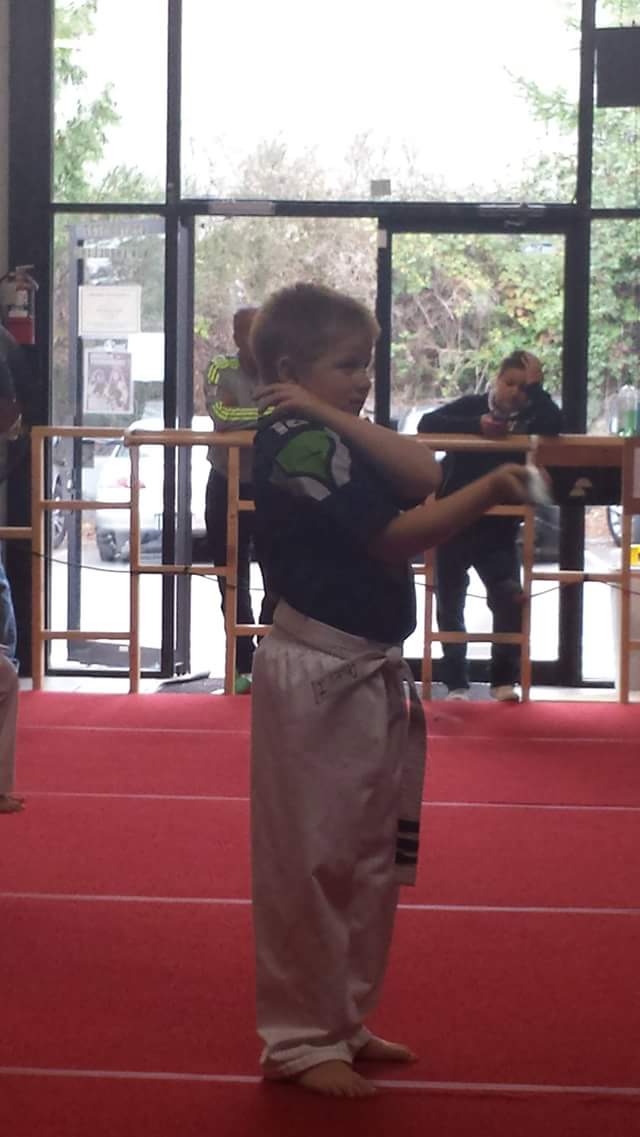
Because I'm very proud I'd like to start this post by announcing that my brother earned his orange belt this last weekend. He is very excited and looks forward to more training. He officially knows how to do something that I know nothing about.


I like to write about a lot of reaction time and quick change of reaction drills. This is partially because I feel they are extremelly important for training purposes. For this drill, you won't need a ball, or even any net set up. You can do this drill with all players at the same time.

Wednesday, August 12, 2015

Drill: Training Setter Peripheral Vision


For those teams with advanced setters, this is a drill I highly recommend. Many new setters have enough to deal with as it is and you might have to wait for the right player to come along to use this drill. I got to do this drill when I was sixteen and it is not easy. This is a skill that takes time and patience to develop.
Blockers are often taught to cheat while reading a setter’s body language. Most setters will position their body in a way that allows the blockers to tell which direction the ball will be going. Coaches need to help train their setters in maintaining consistent body posture so that they look the same before setting a ball to the outside as they would setting a ball to the right side. It is difficult and just takes time and focused practice. Once a setter has accomplished this, then the blockers have a more difficult time cheating and often times will misread the setter. This drill takes advantage of that cheat. One note, GOOD blockers will not cheat but often in high school volleyball, blockers are still training and feel the need to cheat in one direction or another.

Tuesday, August 4, 2015

Drill: Blocked by the Bleachers


Blocking is a commonly misunderstood skill. Most people feel they have failed at blocking if they are not able to prevent the opposing team from spiking the ball across the net. However, the point of blocking is to guide the ball to your own teammates by eliminating an alley on the court. It is always nice to block a ball though.
It’s not as much fun to be blocked however, and your teammates don’t really like you when that happens. Many teams struggle with being able to recover a blocked ball regardless of whether they’ve trained during scrimmages. This drill can be beneficial to a team that is struggling with recovering blocked balls and it has the added benefit of not needing two full teams of six (or seven if you include a libero).

Wednesday, July 29, 2015

Fast Twitch Not Slow Twitch


Do you want to know my biggest pet peeve in volleyball? Coaches’ who want their players running long distances. Want to know why? It doesn’t relate to volleyball. You can argue it increases your endurance but in all honesty it is more damaging to your training then it is helpful. There is a tradition with Olympic athletes where they run to train but it is outdated. We’ve done the research and there are plenty of exercises that are a better use of time and will benefit your body as a volleyball player.

Monday, July 27, 2015

"L" Cone Drill


This is a drill that I learned from one of my favorite trainers. It emphasizes several different motions as well as quick changes in directions. I call it the L-drill simply because I don’t have another name for it. It’s a drill that uses cones and I have a lot of those drills stashed away in the back of my mind.
The reason it’s called the L drill is because the cones appear in an L shape, or a right triangle. The cones are about six feet apart, a little over one body length. The L can also be in reverse but I’ll talk about that a bit more later. If you decide to do this drill on grass you want to make sure there are no hazards like holes or sprinkler heads. You also want to make sure that the grass is dry so that you won’t slip. One thing you’ll notice in my drill is that I use filled water bottles with a wide base instead of cones. I personally don’t own cones but water bottles work just as well as long as they aren’t top heavy.

Thursday, July 9, 2015

3 on 3, No Touch You're Out


 I have to give full credit to Amy Jones for this drill. She created it  when I was about ten,  playing with my best friend who is now a DI volleyball player. She, by the way, was the best at the drill the first time we tried it.
The goal of the drill is simple: be aggressive.